



RV Tank Cleaning for Used RVs: Why Starting Fresh Matters 🚐✨
Buying a used RV is exciting. It’s the start of road trips, quiet mornings by the lake, evenings under the stars, and the freedom to explore wherever the road leads.
But before you settle into that peaceful RV lifestyle, there’s one important detail many new RV owners overlook: the tanks.
If you’ve purchased a pre-owned RV, chances are the black tank and gray tank were never professionally deep cleaned before the sale.
And that means you could be traveling with something you definitely didn’t sign up for… someone else’s waste buildup. 💩😬
What Are RV Black and Gray Tanks?
Your RV has two main wastewater tanks:
Black Tank - Holds waste from the RV toilet.
Gray Tank - Collects water from sinks and showers.
Over time, both tanks accumulate residue, sludge, grease, soap buildup, and bacteria. Even when tanks are emptied, buildup can remain on the walls and bottom of the tank.
Without a deep cleaning, these residues can stay in the system long after the previous owner sells the RV.
The Truth About Most Used RVs
When RVs are prepared for resale, sellers usually focus on the visible areas:
Floors
Cabinets
Furniture
Appliances
But RV tank systems are rarely deep cleaned before a sale.
This means many new RV owners unknowingly inherit:
Waste buildup
Persistent tank odors
Misreading tank sensors
Residue and sludge inside the tank
Not exactly the peaceful start most RV owners imagine.
Signs Your Used RV Tanks Need Cleaning
If you recently purchased a used RV, watch for these common signs:
Bad odors coming from sinks or toilet
Tank sensors that always read incorrectly
Slow draining sinks or showers
Persistent smells even after dumping the tanks
A history of unknown tank maintenance
These symptoms often indicate waste buildup inside the tanks, not just a full tank.
Benefits of Professional RV Tank Cleaning
Professional RV tank cleaning goes far beyond simply dumping and rinsing your tanks.
A proper cleaning removes built-up waste and restores the system so it functions the way it should.
Benefits include:
✔ Removal of stubborn waste buildup
✔ Elimination of lingering odors
✔ Improved tank sensor accuracy
✔ Reduced risk of clogs and blockages
✔ A cleaner, healthier RV environment
Most importantly, it gives you peace of mind.
Start Your RV Journey With a Clean Slate
RV life is meant to be calm, freeing, and enjoyable. It’s about slowing down, connecting with nature, and finding moments of serenity on the road.
Starting with clean tanks helps create that sense of calm. You know your RV is truly refreshed—from the inside out.
No leftover waste.
No lingering odors.
No surprises.
Just a fresh start and open road ahead.
Schedule Your RV Tank Cleaning Today
If you’ve purchased a used RV—or plan to—don’t skip one of the most important steps in preparing your rig for travel.
Start fresh.
Feel fresh.
Travel with peace of mind.
Schedule your RV tank cleaning today:
Why Adding RV-Safe Antifreeze to Your Black & Gray Tanks Matters in Winter
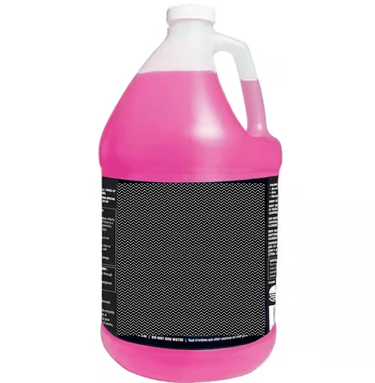
What Is RV-Safe Antifreeze?
RV-safe antifreeze is a non-toxic, propylene glycol–based solution designed specifically for RV plumbing systems. You’ll recognize it as the pink antifreeze sold at RV supply stores. Unlike automotive antifreeze, it is safe for plumbing components and poses no risk to freshwater systems when used correctly.
Important: Never use automotive antifreeze in your RV. It is toxic and can damage your system.
🚿 Why Black & Gray Tanks Freeze in Winter
Even if your RV is winterized, your holding tanks can still freeze under the right conditions. This typically happens when:
Temperatures stay below freezing for extended periods
Dump valves are exposed to cold air
Tanks are left completely empty
Residual liquids remain in low points or valves
When these liquids freeze, they expand—potentially cracking valves, breaking seals, or leaving you with a valve frozen shut at the worst possible time.
Benefits of Adding RV-Safe Antifreeze to Your Tanks
🧊 Prevents Frozen Valves
Adding antifreeze creates a protective layer at the bottom of your tanks and inside the dump valves, helping prevent liquids from freezing solid.IY tank cleaning solutions and treatments can only go so far. At Namastank, we use high-pressure hydro-jet cleaning — a safe, powerful process that restores your tanks to like-new condition.
🔧 Protects Seals and Fittings
Antifreeze coats rubber seals and internal components, reducing the risk of cracking, drying, or damage caused by cold temperatures.
💰 Saves Money on Repairs
Frozen tanks and valves can lead to expensive repairs. A few dollars’ worth of antifreeze now can prevent hundreds—or even thousands—of dollars in damage later.
🚐 Keeps Your RV Usable
If you camp year-round or take winter trips, antifreeze helps ensure your tanks remain functional when you need them.
🕒 How Much RV Antifreeze Should You Use?
Regular maintenance prevents odor, buildup, and expensive repairs. Here’s a good rule of thumb:
After dumping and flushing your tanks:
Add 1–2 quarts of RV-safe antifreeze to the black tank
Add 1–2 quarts to the gray tank
This amount is usually enough to protect the valve area and any residual liquid at the bottom of the tanks. Extremely cold climates may require additional protection measures.
If you are not comfortable pouring RV Antifreeze directly into your tanks, please give us a call to help!
Scorpion RV will get your RV winterized (scorpionrv.com)
Namastank will clean your tanks
🌎 Best Practices for Winter Tank Care
To get the most protection from RV antifreeze, follow these tips:
Always dump tanks before adding antifreeze; remember to get them cleaned!
Keep dump valves closed during freezing temperatures
Insulate exposed pipes and valve areas when possible
Monitor overnight temperatures and wind chill
Use tank heaters or heat pads if your RV is equipped with them
Remember: empty tanks freeze faster than tanks with a small amount of protected liquid.
Common Mistakes to Avoid
🚫 Using automotive antifreeze 🚫 Leaving dump valves open all winter 🚫 Forgetting gray tanks (they freeze just as easily) 🚫 Assuming winterization alone protects holding tanks
📍 Located in Anna, TX — Serving All of North Texas
At Namastank, we’re located in Anna, TX, offering mobile RV tank cleaning services across North Texas. We come to you — whether you’re at a storage facility, a campground, or an RV park*.
We’ll make sure your tanks are spotless, your sensors accurate, and your RV ready for the next adventure.
👉 Schedule your cleaning today!
Namastank
📍 Serving North Texas and surrounding areas
🔧 Expert RV tank cleaning
🌐 www.namastankrv.com
*You must have electric, water and sewer hookup.
Winter can be one of the harshest seasons for your RV, especially when it comes to your plumbing system. Black and gray tanks, dump valves, and exposed pipes are all vulnerable to freezing temperatures. One of the simplest and most effective ways to protect your RV during cold weather is by adding RV-safe antifreeze to your holding tanks.
This small step can help you avoid frozen valves, cracked fittings, and costly repairs—while keeping your RV ready for use all winter long.


💧 Why Regular RV Tank Cleaning Is Essential for a Healthy RV
Owning an RV is all about freedom — the open road, new adventures, and the comfort of bringing home with you wherever you travel. But one thing that often gets overlooked is RV tank maintenance.
If you notice foul odors, slow drains, or your sensors always reading “full,” it’s time for a professional RV tank cleaning. Let’s look at why regular service keeps your system healthy, prevents costly damage, and helps you enjoy a cleaner, worry-free RV experience.
🚿 What Happens Inside Your RV Tanks
Your RV has two main wastewater systems:
The black tank, which handles toilet waste
The gray tank, which collects sink and shower water
Over time, waste, grease, and toilet paper cling to the walls of your tanks — even after dumping. This buildup can:
Cause inaccurate tank readings
Lead to unpleasant odors
Slow down draining
Form hardened waste layers or “pyramids”
Damage sensors and valves
Even if you flush your tanks regularly, you’re likely not removing everything.
🧼 Why Professional Cleaning Makes a Difference
DIY tank cleaning solutions and treatments can only go so far. At Namastank, we use high-pressure hydro-jet cleaning — a safe, powerful process that restores your tanks to like-new condition.
This professional cleaning removes all waste buildup, struvite, grease, and toilet paper residue without harming your system.
Benefits of professional RV tank cleaning:
✅ Accurate sensor readings
✅ Faster, smoother draining
✅ No lingering odors
✅ Prevents clogs and damage
🕒 How Often Should You Clean Your RV Tanks?
Regular maintenance prevents odor, buildup, and expensive repairs. Here’s a good rule of thumb:
Full-time RVers: Every 2–3 months
Weekend travelers: Twice a year
Seasonal campers: Before and after storage
If your tank monitor is inaccurate or your RV smells after dumping, schedule a cleaning as soon as possible.
🌎 Why RV Tank Cleaning Matters
Keeping your tanks clean isn’t just about comfort — it’s about protecting your RV investment. Regular cleaning helps your sensors, valves, and seals last longer. Plus, it keeps your RV environmentally friendly and campground-ready.
Clean tanks = clean travels.
📍 Located in Anna, TX — Serving All of North Texas
At Namastank, we’re located in Anna, TX, offering mobile RV tank cleaning services across North Texas. We come to you — whether you’re at a storage facility, a campground, or an RV park*.
We’ll make sure your tanks are spotless, your sensors accurate, and your RV ready for the next adventure.
👉 Schedule your cleaning today!
Namastank
📍 Serving North Texas and surrounding areas
🔧 Expert RV tank cleaning
🌐 www.namastankrv.com


What Is Struvite in RV Pipes and Holding Tanks?
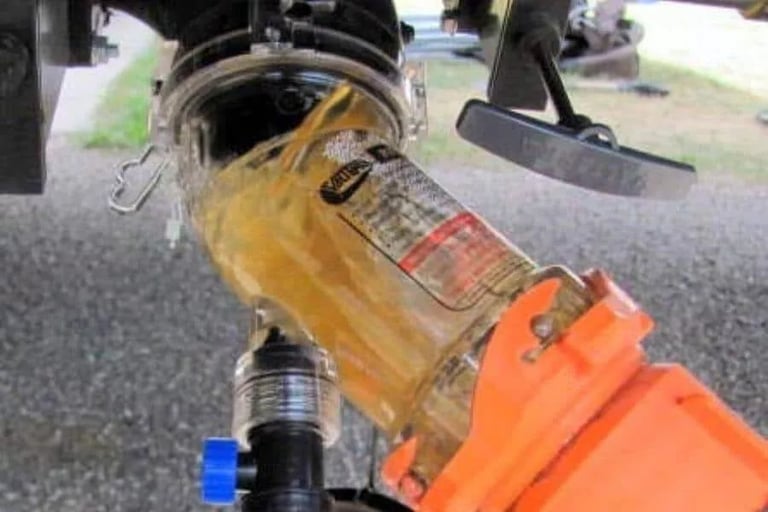
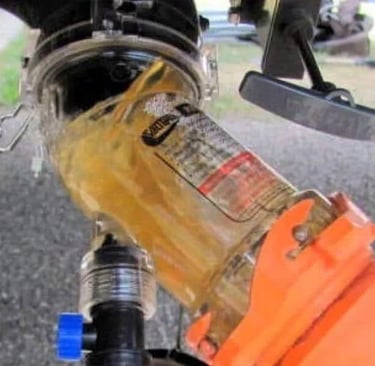
If you’ve noticed stubborn odors, slow-draining tanks, or inaccurate tank level readings in your RV — you might be dealing with a hidden problem called struvite buildup.
At Namastank, we see this issue more often than you might think. Struvite is one of the most common causes of tank clogs and sensor failures, and if left untreated, it can cause expensive damage to your RV’s plumbing system.
What Exactly Is Struvite?
Struvite is a hard, crystalline mineral deposit that forms inside black and gray water tanks and plumbing lines. It’s made of magnesium, ammonium, and phosphate — the same compounds found in human waste, soap residue, and cleaning chemicals.
Over time, these elements react with each other and with bacteria in your tanks, creating a cement-like scale that sticks to tank walls, pipes, and sensors.
How Struvite Forms in RV Tanks
Struvite doesn’t appear overnight. It builds up slowly, especially in tanks that:
Aren’t routinely flushed or cleaned
Sit for long periods without being drained
Contain improper chemical additives or harsh cleaners
Experience poor airflow or limited agitation inside the tank
When these conditions are present, a perfect environment forms for bacteria and minerals to crystallize, coating the inside of your system.
Signs You May Have Struvite Buildup
You may not see struvite, but you’ll definitely notice the symptoms. Common signs include:
Persistent foul odors, even after dumping
Inaccurate tank sensors (showing full or partially full when empty)
Slow draining sinks, showers, or toilets
A “rotten egg” smell coming from drains or the vent pipe
A white, chalky residue inside tank openings or fittings
Why Struvite Is a Serious Problem
Once struvite hardens, it’s extremely difficult to remove with regular tank chemicals or household cleaners. It can:
Block plumbing lines and prevent proper drainage
Cause tank sensors to fail or give false readings
Trap waste and bacteria, leading to persistent odor
Eventually damage fittings, valves, and seals
If the buildup gets severe, it can even lead to cracked tanks or costly replacements — something every RV owner wants to avoid.
How to Prevent Struvite in Your RV Tanks
The best way to deal with struvite is to prevent it before it forms. Here’s what we recommend:
Schedule regular professional tank cleanings — at least once or twice a year.
Flush tanks thoroughly after each trip, especially the black tank.
Avoid harsh chemicals — use RV-safe tank treatments that promote healthy bacteria.
Keep tanks properly vented and hydrated — never let them dry out completely.
Routine maintenance keeps your tanks free of mineral buildup and helps your plumbing system last longer.
How Namastank Can Help
At Namastank, we specialize in professional RV tank cleaning and struvite removal. Our equipment uses high-pressure, environmentally safe cleaning systems to break down and flush out mineral buildup that regular rinsing can’t touch.
We service black and gray systems, helping you restore proper flow, eliminate odors, and get accurate sensor readings again.
Final Thoughts
Struvite buildup is a silent troublemaker that can cause serious long-term issues if ignored. With proper maintenance — and help from professionals who know how to handle it — you can keep your RV’s plumbing system running smoothly for years.
If you suspect struvite buildup or just want to prevent future problems, contact Namastank today to schedule your tank cleaning and inspection.
Namastank
📍 Serving North Texas and surrounding areas
🔧 Expert RV tank cleaning
🌐 www.namastankrv.com
Services
Expert cleaning for your RV's black and gray tanks.
Fresh
Clean
214-945-4165
© 2025. All rights reserved.